
Ovarian cancer rarely announces itself. Doctors often call it a "silent" disease because its earliest symptoms, bloating, pelvic discomfort, a change in appetite, are easy to mistake for digestion trouble, stress, or simply getting older.
Ovarian cancer remains one of the most challenging gynaecological malignancies, but advances in diagnosis and personalised treatment have significantly improved outcomes for patients. Understanding the available options, from surgery and chemotherapy to targeted therapies, empowers patients to make informed decisions alongside their specialist team.
This guide explains what ovarian cancer is, how it is diagnosed, and the comprehensive care pathways that can offer hope and better quality of life.
What is Ovarian Cancer
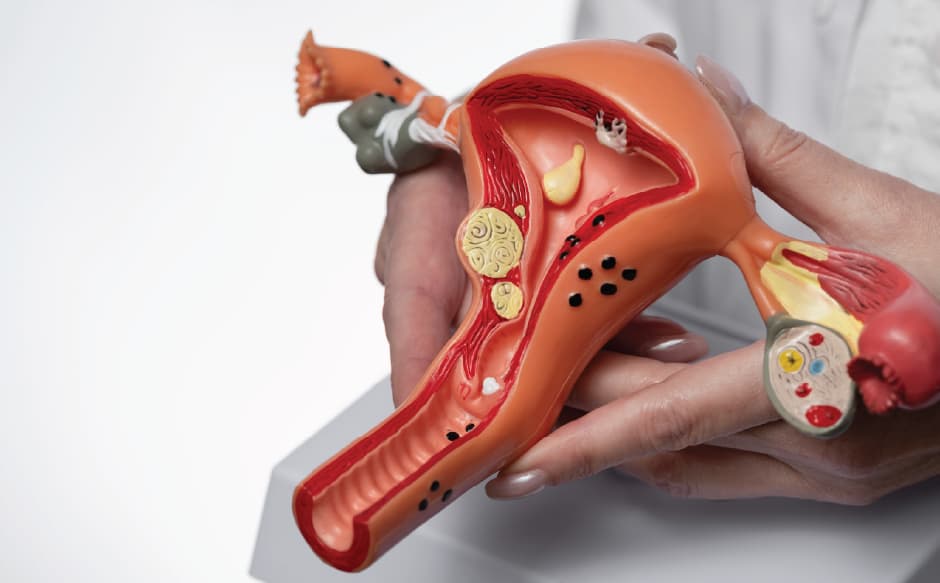
Ovarian cancer develops when malignant cells grow in the ovaries, the reproductive organs responsible for producing eggs and hormones. It often goes undetected in early stages because symptoms are subtle or resemble common conditions like bloating or digestive issues. The disease can spread to surrounding tissues and distant organs if left untreated.
There are three main types of ovarian cancer are epithelial, germ cell, and stromal. Epithelial ovarian cancer itself has subtypes including serous, mucinous, endometrioid, and clear cell variants. Risk factors include age (most common after 50), family history of ovarian or breast cancer, inherited genetic mutations like BRCA1 and BRCA2, and reproductive history.
Recognising the Symptoms Women Are Often Told to Ignore
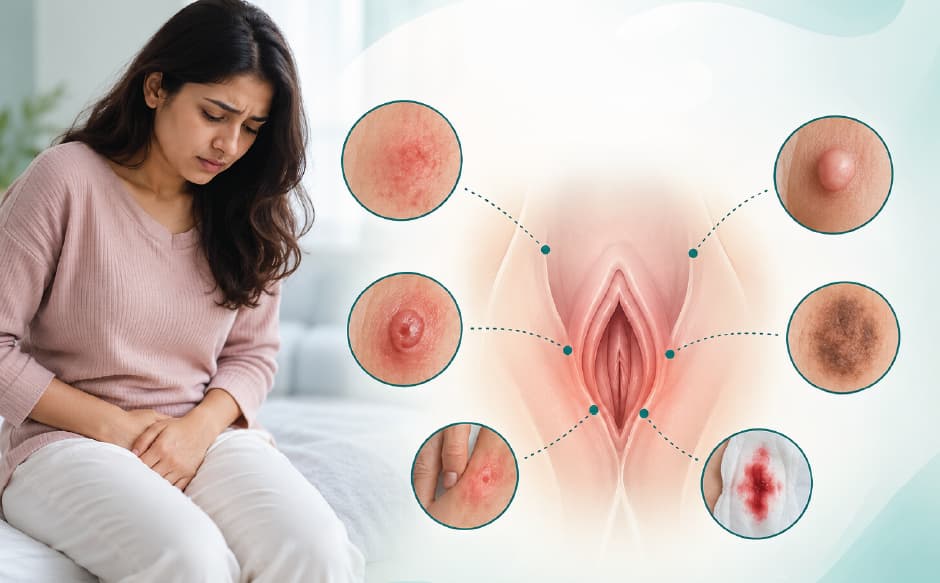
Ovarian cancer symptoms are notoriously vague, and in many Indian households, women's own health complaints are the first thing set aside when family responsibilities take priority. That cultural pattern, combined with genuinely nonspecific symptoms, is a major reason diagnosis is so often delayed. The distinction that matters clinically is not the symptom itself but its persistence and frequency.
| Symptom | Often mistaken for | When to see a specialist |
|---|---|---|
| Bloating or abdominal swelling | Gas, indigestion, weight gain | Daily or near-daily for more than 2 weeks |
| Pelvic or lower abdominal pain | Menstrual cramps, UTI | New pain that doesn't follow the usual cycle |
| Feeling full quickly / loss of appetite | Acidity, stress | Persisting beyond 2–3 weeks |
| Urinary urgency or frequency | UTI, weak bladder | No infection found on urine test |
| Unexplained fatigue or weight change | Thyroid issues, lifestyle | Alongside any of the above |
None of these symptoms alone confirms cancer, most women with bloating or fatigue do not have ovarian cancer. But when two or more of these symptoms appear together and persist for more than two weeks, current clinical guidance is to request pelvic imaging and a CA-125 blood test rather than symptomatic treatment alone.
How Ovarian Cancer is Diagnosed and Staged
Diagnosis usually starts with a transvaginal ultrasound and a CA-125 blood test, followed by CT or PET-CT imaging if a mass is found. CA-125 is a useful marker but not a standalone test, it can be elevated by endometriosis, fibroids, or pelvic infection, so it is interpreted alongside imaging, not in isolation. A definitive diagnosis and formal stage are only confirmed through surgery, where tissue is biopsied and the abdominal cavity is examined directly.
Staging follows the FIGO (International Federation of Gynecology and Obstetrics) system, jointly used with AJCC criteria, and it directly determines the treatment pathway.
| FIGO Stage | What it means | General treatment direction |
|---|---|---|
| I | Cancer confined to one or both ovaries | Surgery, sometimes followed by chemotherapy |
| II | Spread to other pelvic organs | Surgery plus chemotherapy |
| III | Spread to abdominal lining or lymph nodes | Cytoreductive surgery plus platinum-based chemotherapy |
| IV | Spread beyond the abdomen (e.g., lungs, liver) | Systemic chemotherapy, targeted therapy, selective surgery |
Main Treatment Approaches for Ovarian Cancer
There is no single "ovarian cancer treatment" the plan is built around stage, subtype, genetic markers, and how well a patient tolerates surgery. Three components form the backbone of modern care:
- Cytoreductive (debulking) surgery: The goal is to remove all visible tumour. When the disease is too extensive to operate on safely up front, doctors use neoadjuvant chemotherapy (NACT) to shrink the tumour first, followed by interval debulking surgery, an approach shown to be as effective as upfront surgery for many advanced cases.
- Platinum-based chemotherapy: A platinum-taxane combination (typically carboplatin with paclitaxel) remains the standard first-line regimen after surgery, usually given over six cycles.
- Targeted therapy and PARP inhibitors: For patients with BRCA mutations or homologous recombination-deficient tumours, PARP inhibitors (such as olaparib or niraparib) are now recommended as maintenance therapy after a response to chemotherapy, per current ASCO guidance. Bevacizumab may also be added for higher-risk stage III–IV disease.


What to Look for in an Ovarian Cancer Specialist or Hospital
Not every gynaecologist is trained to operate on ovarian cancer, and not every oncologist has gynaecologic-specific surgical experience. When evaluating a hospital or specialist, it helps to ask about:
-
A dedicated gynaecologic oncologist, someone with formal subspecialty training (an MCh or equivalent), not a general gynaecologist or general surgical oncologist.
-
A multidisciplinary tumour board where surgical, medical, and radiation oncologists jointly review each case before finalising a treatment plan.
-
In-house pathology and genetic/molecular testing, so BRCA and HRD status can inform the treatment plan without weeks of delay.
-
Access to both minimally invasive/robotic surgery and open cytoreductive surgery, since the right approach depends on the individual case.
-
On-site radiation oncology (for select cases needing brachytherapy or pelvic radiotherapy) and a monitored chemotherapy day-care unit.
-
Formal accreditation, NABH and NABL in India, or international benchmarks like JCI, as a baseline indicator of clinical governance.
Don't wait for symptoms, book your Women's Cancer Screening test at Baby Memorial Hospital and prioritize your health today.
Managing Side Effects and Quality of Life
Cancer treatment and the disease itself can profoundly affect physical and emotional wellbeing. Common side effects, nausea, fatigue, hair loss, and neuropathy, require active management. Antiemetic medications, nutritional support, and light exercise help mitigate these effects. Cognitive side effects ('chemo brain') and emotional distress, including anxiety and depression, are recognised and addressed through counselling and support groups.
Sexual dysfunction and infertility concerns warrant specialist discussion and counselling. Rehabilitation services, including physiotherapy and occupational therapy, support functional recovery. Integrative approaches such as acupuncture, yoga, and mindfulness-based stress reduction complement conventional care. Palliative care, focused on comfort and quality of life, is integrated throughout the treatment journey rather than reserved for end-of-life stages. Open communication with your care team about side effects enables timely intervention and improved tolerability.
Also Read: Breast Cancer Early Signs: When to Get Mammogram Screening
Inside Baby Memorial Hospital's Approach to Ovarian Cancer Care
Baby Memorial Hospital (BMH) in Kozhikode treats ovarian and other gynaecologic cancers through its NAVA Cancer Institute, which brings medical, surgical, and radiation oncology together under one coordinated care model rather than treating them as separate referrals. In practice, this means a patient's imaging, pathology, and molecular profiling feed into a single tumour board discussion before a treatment plan is finalised, the same structure recommended earlier in this guide.
A few specifics worth knowing:
-
BMH's Vadakara unit runs a dedicated Women's Preventive Oncology Clinic that explicitly screens for and treats breast, cervical, ovarian, and colorectal cancers, one of the few clinics in the region structured around women's cancers specifically.
-
The hospital's oncology infrastructure includes PET-CT for staging and treatment-response evaluation, dual 1.5T MRI, LINAC TrueBeam for image-guided radiotherapy, and Brachytherapy for localised radiation, relevant for the subset of ovarian cancer cases where radiotherapy plays a supporting role.
-
Minimally invasive and robotic gynaecologic surgery is available via the Da Vinci Surgical Robot, alongside conventional open cytoreductive surgery for more extensive disease.
-
BMH is NABH- and NABL-accredited, and Baby Memorial Hospital, Kozhikode was recognised among India's Best Hospitals 2026 by Newsweek, a useful external reference point for families comparing hospitals from outside the state.
None of this replaces the judgement of the treating gynaecologic oncologist, the infrastructure only matters insofar as it's used well by an experienced surgical and oncology team, which is ultimately what a second opinion or consultation should confirm.
Conclusion
Ovarian cancer is treatable, and outcomes have improved meaningfully with modern surgery, platinum-based chemotherapy, and PARP inhibitor maintenance therapy, but nearly all of that improvement depends on catching the disease early and getting the first treatment attempt right.
For women in Kerala, that no longer means an automatic trip to a metro city: Kozhikode now has genuine gynaecologic oncology depth, from subspecialty-trained surgeons to integrated cancer institutes like BMH's NAVA Cancer Institute.
Whether you're a patient noticing persistent symptoms, a caregiver researching on someone else's behalf, or an NRI family trying to coordinate care from abroad, the most useful next step is the same: don't wait out vague symptoms, and get a specialist opinion from a team that can show you exactly how they'd stage, treat, and monitor your specific case.
Chat with our care assistant for guidance on next steps, and book a consultation with a gynaecologic oncologist.
Medical Disclaimer This article is for general informational purposes only and does not constitute medical advice, diagnosis, or treatment recommendations. Ovarian cancer symptoms, staging, and treatment vary significantly by individual case. Please consult a qualified gynaecologic oncologist or physician for evaluation and personalised care specific to your health condition.